NEWS/UPDATES

We support Treaty for Victoria
This is an open letter in support of Treaty for Victoria sent to key Victorian Ministers and signed by 21 environmental charities, you can see the list of signatories below. Dear Premier and ministers, We are proud to stand alongside First Peoples on the...

What’s Our Water Worth: Have Your Say on the Future of Latrobe River
The Latrobe River is already struggling, but three coal mining companies want to drain it further to fill their massive pits. AGL alone is seeking 36 billion litres per year for 30 years – enough water to fill 53,000 Olympic pools annually. With only 65 endangered Burrunan dolphins left in the downstream Gippsland Lakes and a critical levee set to collapse, this water grab could push an already over-extracted river system to breaking point. The question isn’t just about mine rehabilitation – it’s about whether we’ll sacrifice our region’s water future for the cheapest corporate solution.

Protecting Our Water: Why Groundwater Monitoring Matters in Latrobe Valley
Here in Gippsland, water is our lifeblood. As DEECA develops its Groundwater Monitoring Strategy 2030, we are calling for comprehensive monitoring to protect our community’s water future. Coal mining has already created a massive 130-meter “cone of depression” at Hazelwood, and much of our groundwater sits under mining licenses. Current monitoring is inadequate—most bores along the Latrobe River are inactive. We’re demanding transparent, community-accessible data, proper public funding, and recognition that monitoring isn’t protection—it’s evidence damage has occurred. Our water’s future depends on decisions being made now.

Victoria’s Water Crisis: A Gippsland Perspective on Infrastructure Victoria’s Strategy
Victoria’s rivers are approaching an existential crisis point. Our new blog explores the harsh reality of our water infrastructure challenges from a Gippsland perspective. The health of our rivers, the sustainability of our water supply and the wellbeing of our communities all depend on making the right infrastructure decisions now.
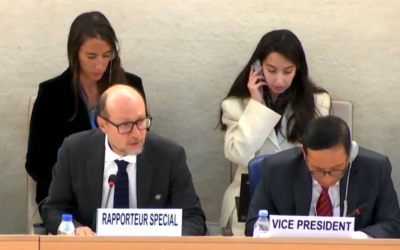
UN Special Rapporteur’s Final Report Exposes Ongoing Toxic Threats
The Special Rapporteur on Toxins and Human Rights, Marcos A. Orellana, visited the Latrobe Valley on 1st September. The tour to several prominent sites around Australia will inform a report to the United Nations Human Rights Council in 2024.
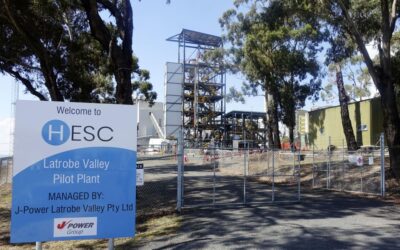
The coal to hydrogen grift
The Hydrogen Energy Supply Chain (HESC) project makes no sense. A consortium of Japanese companies and AGL want to make hydrogen from brown coal or blend it with biomass in the Latrobe Valley and ship it to Japan. The pilot stage has been completed, but the community...
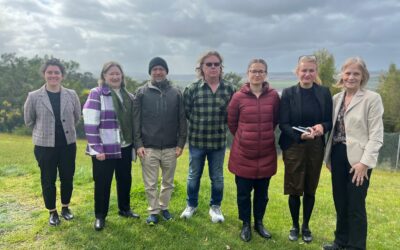
UN Special Rapporteur visits Latrobe Valley
The Special Rapporteur on Toxins and Human Rights, Marcos A. Orellana, visited the Latrobe Valley on 1st September. The tour to several prominent sites around Australia will inform a report to the United Nations Human Rights Council in 2024.
Why are we importing black coal ash from interstate?
The Victorian Environmental Protection Agency (EPA Vic) plans to reduce the regulatory barriers for importing black coal fly ash from New South Wales and Queensland for use in Victoria. They recently called on submission regarding the proposed changes. The following...
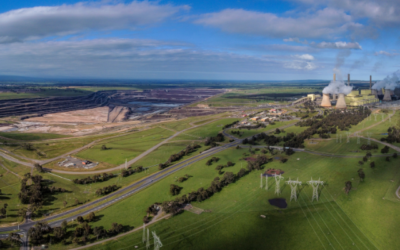
AGL and Cannon-Brookes
In May, billionaire tech entrepreneur Mike Cannon-Brookes again stood up and rattled the can. His private investment company Grok Ventures acquired an 11.3 per cent stake in AGL, with the stated intention of blocking a proposed demerger of the company that he thinks...
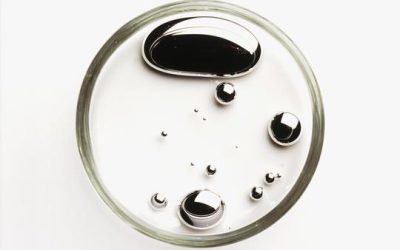
Australia ratifies Minamata Convention on Mercury
Overnight, Australia deposited its Instrument of Ratification for the Minamata Convention on Mercury with the United Nations, officially becoming a ratified Party on 7 December 2021. The treaty will enter into force for Australia on 7 March 2022. Australia signed the...